


Home > Applications > Carbon Capture Utilization and Storage

Carbon Capture Utilization and Storage

CCUS technologies mitigate climate change by capturing and repurposing CO₂. Advanced analyzers for gas capture, such as DVS Carbon and BTA Frontier, enable precise gas and moisture uptake analysis, measuring CO₂/H₂O sorption isotherms, kinetics, and breakthrough curves. These tools support DAC research, porous material characterization, and optimization of sorbents for efficient real-world carbon capture performance.


Need Material Testing?

Our specialized lab provides contract testing services specifically for CCUS sorbents.

Process Optimization Areas

CO₂ Adsorption Capacity

Quantify CO₂ uptake under realistic operating conditions to evaluate sorbent performance. High-resolution isotherms enable comparison of materials and identification of those with optimal capture capacity.
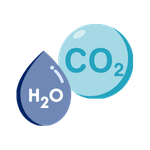
 

CO₂/H₂O Co-Adsorption

Understand the competitive and synergistic effects of moisture on CO₂ capture. Analysing co-adsorption behaviour is important for predicting real-world performance, particularly for direct air capture and flue gas conditions.

 

Breakthrough Performance

Evaluate dynamic gas separation behaviour through breakthrough analysis. This provides insight into how materials perform under continuous flow conditions, helping to optimise bed design and scale-up processes.
 

Porous Structure Characterization

Characterise pore size distribution, surface area, and adsorption sites that govern gas uptake. Understanding structure–performance relationships enable targeted development of more efficient sorbents.

 

Humidity & Environmental Effects

Simulate real-world environmental conditions to understand their influence on sorbent behaviour. Moisture and temperature variations can significantly affect performance, making this analysis essential for reliable deployment.


 

Related Products

Talk to Our Scientists Today

World-class gravimetric vapor sorption analyzers and inverse gas chromatography instruments designed for precision.

To receive the latest news, updates, and application notes, sign up now:

Request a quote

Talk to a Scientist